The Promise We Thought We Were Getting
Remember when we thought technology would make book challenges more transparent, more fair? I bought into that promise completely. The idea seemed almost elegant in its simplicity: instead of relying on the loudest parent in the room or the most organized activist group, AI systems could scan library collections and flag potentially controversial content based on objective criteria. No more midnight school board meetings dominated by people waving dog-eared copies of books they’d never actually read. No more librarians caught in impossible positions, forced to defend literature they’d carefully selected for young readers.
The American Library Association Intellectual Freedom Report showed us just how overwhelming the human-driven challenge system had become, with over four thousand book challenges recorded in 2024 alone—a staggering sixty-five percent increase from the previous year. Something had to give. The promise of AI-driven content screening felt like a reasonable middle ground, a way to address concerns about age-appropriate content without the chaos and personal attacks that had characterized recent book banning campaigns.
But promises, especially technological ones, have a way of disappointing us in the most unexpected ways.
The Reality Check That Hurt to Learn
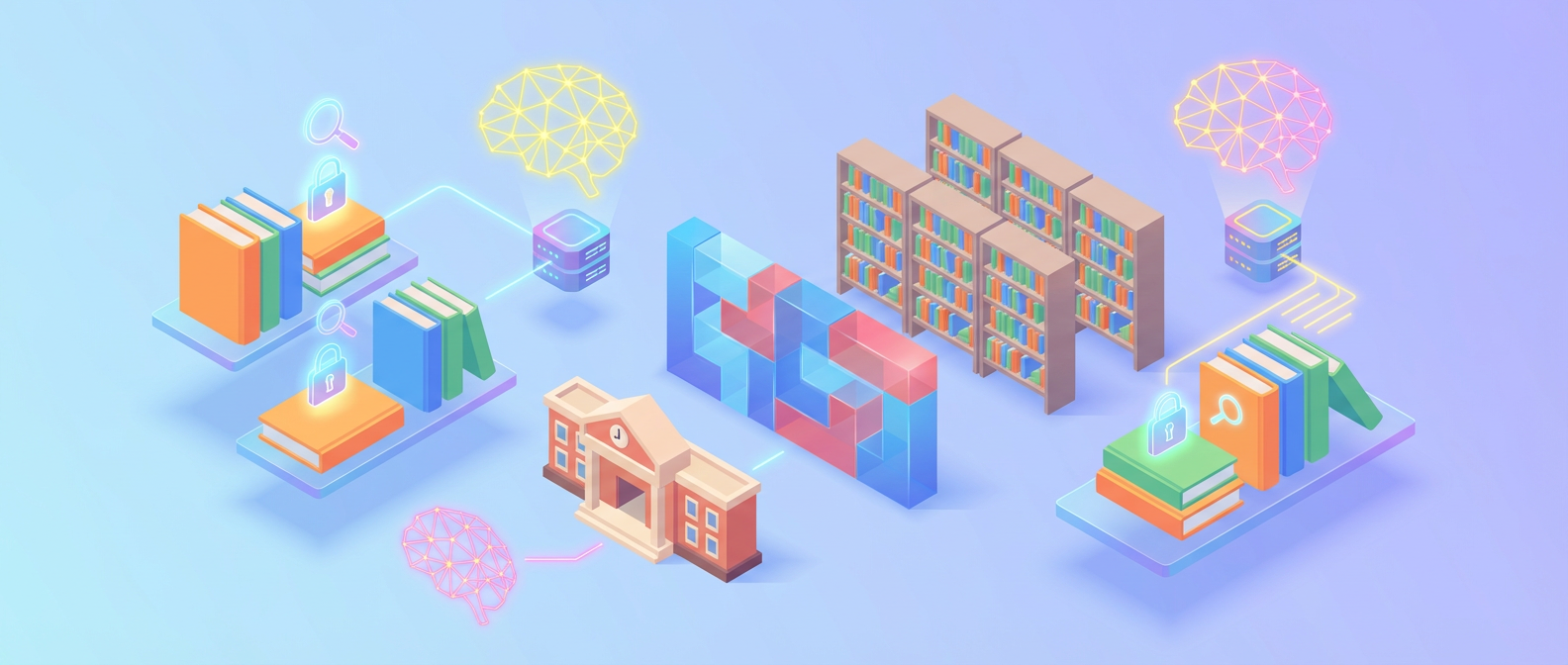
What we’re seeing instead is something far more troubling than the messy, human-driven censorship battles we hoped to escape. Twenty-three states now deploy AI scanning tools to automatically flag potentially controversial content in school libraries, and the results are both predictable and heartbreaking. These algorithms, designed to identify “problematic” material, have created a new form of censorship that’s both more efficient and more arbitrary than anything we’ve seen before.
The numbers tell a story that should alarm anyone who cares about intellectual freedom. Books flagged by artificial intelligence systems have a seventy-eight percent higher chance of being removed from library shelves compared to those challenged through traditional human-initiated processes, according to research from the PEN America Banned Books Database. This isn’t the careful, considered review process we were promised. It’s automated removal dressed up as objectivity.
Take ContentGuard, the software currently used by more than three hundred and forty school districts across the country. Since its implementation, this system has flagged over twelve thousand books as potentially inappropriate. That’s not twelve thousand careful reviews by trained librarians or educators. It’s twelve thousand algorithmic decisions made without context, without understanding of literary merit, and without consideration of how these books function within the broader curriculum or students’ developmental needs.
When Algorithms Miss the Point Entirely
The most disappointing aspect of AI-driven book screening isn’t just its efficiency at removing books. It’s how fundamentally it misunderstands what makes literature valuable and necessary for young readers. Algorithms excel at pattern recognition, but they fail spectacularly at recognizing the difference between gratuitous content and meaningful literary exploration of difficult topics.
Consider how these systems approach books that deal with historical trauma, social justice, or coming-of-age experiences. An AI scanner might flag “The Hate U Give” by Angie Thomas for containing profanity and references to police violence, completely missing that these elements are essential to the narrative and educational purposes. The algorithm sees keywords and content categories. It cannot see the careful way Thomas uses these difficult elements to help young readers understand systemic racism and find their own voices in challenging circumstances.
This technological approach to content moderation treats books like social media posts. Discrete pieces of content to be sorted into appropriate and inappropriate categories. But books aren’t tweets. They’re complex artistic works that often derive their power precisely from their ability to present difficult material within a framework that helps readers process and understand challenging realities.
The irony is thick here. We turned to AI to remove human bias from book challenges, but we’ve instead created a system that embeds different biases into every decision. The biases of programmers, of training data, of simplified content categories. These biases are harder to identify and challenge because they’re hidden behind the veneer of technological objectivity.
Legal Battles and What They Mean for Readers
The legal system is beginning to grapple with these issues, with federal courts in Texas, Florida, and Tennessee currently hearing challenges to AI-based book screening programs. These cases will likely shape how we balance technological efficiency with constitutional protections for intellectual freedom in educational settings.
What’s at stake in these courtrooms goes beyond individual book titles. We’re deciding whether algorithmic decision-making can substitute for human judgment in matters of educational content and intellectual freedom. The plaintiffs in these cases argue that AI screening violates both due process rights and First Amendment protections by removing books without meaningful review or appeal processes.
The defendants (school districts and state education departments) contend that AI tools simply help them manage an overwhelming volume of content more efficiently. They frame these systems as assistive technology rather than replacement technology, though the removal rates suggest the distinction may be more theoretical than practical.
What We’ve Lost in Translation
The most profound disappointment of AI-driven book censorship isn’t just about the specific titles being removed, though the loss of any book matters deeply. It’s about what we’ve given up in our relationship with literature and learning. When we hand these decisions to algorithms, we’re saying that the complex, nuanced work of matching books with readers can be reduced to keyword scanning and content category sorting.
This approach ignores everything we know about how reading actually works. The most transformative books are often the ones that challenge us, that present ideas and experiences outside our comfort zones, that force us to grapple with complexity rather than settling for simple answers. These are precisely the books that AI screening systems are most likely to flag and remove.
We’ve traded the messy, imperfect, deeply human process of curating library collections for the clean efficiency of automated screening. But that efficiency comes at the cost of the very thing that makes libraries essential: the careful, thoughtful work of connecting readers with books that will expand their understanding of themselves and their world.
I’m still processing this disappointment. Still working through what it means for those of us who believe deeply in the power of books to change lives. What are your thoughts on how we navigate this tension between protecting young readers and preserving their access to transformative literature? How do we hold onto the complexity and nuance that makes reading so essential when our systems favor simple, algorithmic solutions?