The Midnight Reckoning with Flawed Favorites
It’s 2:47 AM and I’m staring at my bookshelf, specifically at the spine of a novel I’ve recommended to dozens of people over the years. Tonight, I reread it for the first time in a decade, and something has shifted. The prose that once felt revolutionary now reads as self-indulgent. The characters I remembered as complex now seem merely inconsistent. The ending that devastated me at twenty-two feels manipulative at thirty-five.
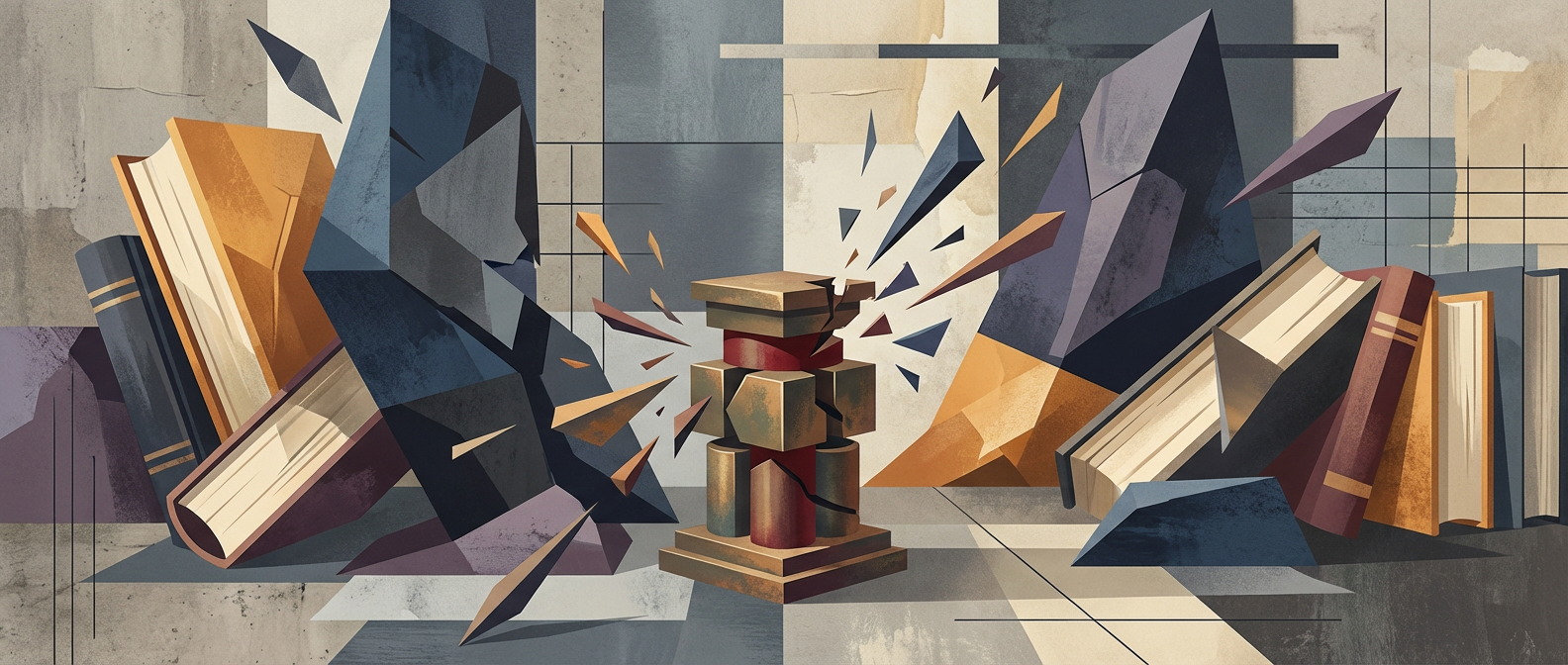
This is the peculiar heartbreak of literary maturation: discovering that books you once held sacred don’t hold up to scrutiny. It’s different from simply outgrowing a phase or changing tastes. This is about confronting the uncomfortable possibility that maybe, just maybe, that author you championed wasn’t quite the genius you thought they were.
But here’s what I’ve learned from years of these midnight reckonings. The disappointment often reveals as much about our evolution as readers as it does about the book’s actual merit. Sometimes the flaw was always there, and we’ve simply developed the critical tools to see it. Other times, cultural shifts have exposed blind spots that were invisible when the work first appeared. The truth usually sits somewhere between those two possibilities, which makes it messier and more interesting than either extreme.
The Deserved Obscurity Test
I call it the Deserved Obscurity Test, though that sounds harsher than I intend. It’s a simple thought experiment: if this book were published today by an unknown writer, would it find an audience? Would critics notice it? Would it survive the brutal ecosystem of contemporary publishing?
Consider the literary darlings of the 1990s who built careers on a particular brand of ironic detachment and cultural commentary. Strip away the context of when they were writing, remove the aura of their early critical reception, and ask yourself: what remains? Some of these writers were genuinely capturing something essential about their moment. Others were simply in the right place at the right time, riding waves of cultural anxiety that have since receded.
This test isn’t about dismissing older work or falling into presentism. It’s about honest literary archaeology. When we dig a writer’s reputation out from the sediment of their era, what do we find? Sometimes we discover work that’s even more impressive than we remembered, ideas that were ahead of their time, craft that transcends its original context. Other times, we find writing that was always more about timing than talent.
Take the countless “experimental” novels of the 1960s and 70s that broke conventional narrative structures. Some, like Donald Barthelme’s story collections, still feel startling and alive. Others read like exercises in creative writing class, interesting as historical artifacts but lacking the deeper currents that sustain great literature across time. The difference often comes down to whether the experimentation was driven by genuine artistic necessity or just a desire to seem avant-garde.
The Archaeology of Literary Reputation
Literary reputations are built on layers of accumulated cultural sediment. First impressions from influential critics, academic canonization, generational nostalgia, and simple availability all contribute to an author’s lasting status. But these layers can obscure as much as they reveal.
I think about Richard Brautigan, who was massive in the late 1960s and early 1970s. His whimsical, countercultural novels captured something essential about that moment in American culture. But when I revisited “Trout Fishing in America” recently, I was struck by how much of its appeal was tied to a very specific cultural moment that has passed. The writing itself, stripped of its historical context, feels thin, more concerned with maintaining a pose than exploring genuine human complexity.
This doesn’t mean Brautigan’s work is worthless. It’s a fascinating document of its time, and there’s value in understanding what resonated with readers during a particular cultural moment. But it does suggest that some literary reputations are more fragile than others, more dependent on external factors than literary merit. When the cultural moment passes, what’s left?
The most durable writers seem to be those who managed to embed universal human truths within their particular historical moments. Toni Morrison’s novels are deeply rooted in specific American experiences, but they reveal fundamental aspects of trauma, memory, and healing that transcend their immediate context. The specific becomes universal without losing its particularity.
When Cultural Shifts Expose Literary Blind Spots
Sometimes an author’s diminished appeal reflects genuine moral or artistic failures that were overlooked in their original context. The male writers of the mid-century who built careers on thinly veiled autobiographical novels about brilliant, tortured protagonists and the women who failed to understand them. Reading these works today, it’s impossible to ignore how limited their perspective was, how much they took for granted about whose stories deserved to be told.
But this cultural reckoning cuts both ways. Writers who were marginalized or dismissed in their time are being rediscovered and reassessed. Zora Neale Hurston’s work was largely forgotten for decades before being championed by writers like Alice Walker. Now “Their Eyes Were Watching God” is recognized as a masterpiece, though it was largely ignored by the literary establishment when it was first published.
The danger lies in applying contemporary standards too rigidly to work from different eras. Context matters. Understanding why certain perspectives dominated, and why others were silenced, is part of the archaeological work of reading across time. The goal isn’t to excuse past failures of imagination, but to develop a more complex understanding of how literature functions within its cultural moment. Sometimes what looks like a failure was actually a brave choice that just wasn’t recognized at the time.
The Generous Art of Literary Disappointment
There’s a peculiar comfort in discovering that your former literary heroes have clay feet. It’s liberating to realize that you’ve developed more sophisticated critical faculties, that your taste has evolved beyond your younger self’s enthusiasms. It also creates space for new discoveries, for writers you might have overlooked while you were busy worshipping at established altars.
But the most valuable lesson from these disappointments is learning to read more generously. Every book exists in conversation with its time, its literary traditions, and its author’s limitations. The work that endures usually does so because it manages to transcend some of those constraints while remaining honestly grounded in others.
When I look at that shelf now, I see not a collection of perfect objects but a record of conversations across time. Some of those conversations remain vital and surprising. Others feel dated or limited. But all of them contributed to the ongoing project of understanding what literature can do, what stories matter, and how language can capture the complexity of human experience. Even the disappointing rereads teach us something about how our standards have changed, how our world has shifted, how we’ve grown as readers.
What books have disappointed you on rereading? I’d love to hear about your own midnight reckonings with former favorites, and what you discovered about yourself in the process of letting them go.