The Moment Everything Shifts
It happened to me last Tuesday at 2:47 AM. I know the exact time because I checked my phone in disbelief, needing some external confirmation that the world was still spinning normally even though my reading universe had just tilted sideways. I’d just finished the latest novel by an author whose previous work had shaped my understanding of what fiction could accomplish. The book I’d been anticipating for two years, pre-ordered the moment it was announced, cleared my schedule to devour in one sitting. And there I sat, staring at the final page, feeling something I hadn’t expected: profound disappointment.
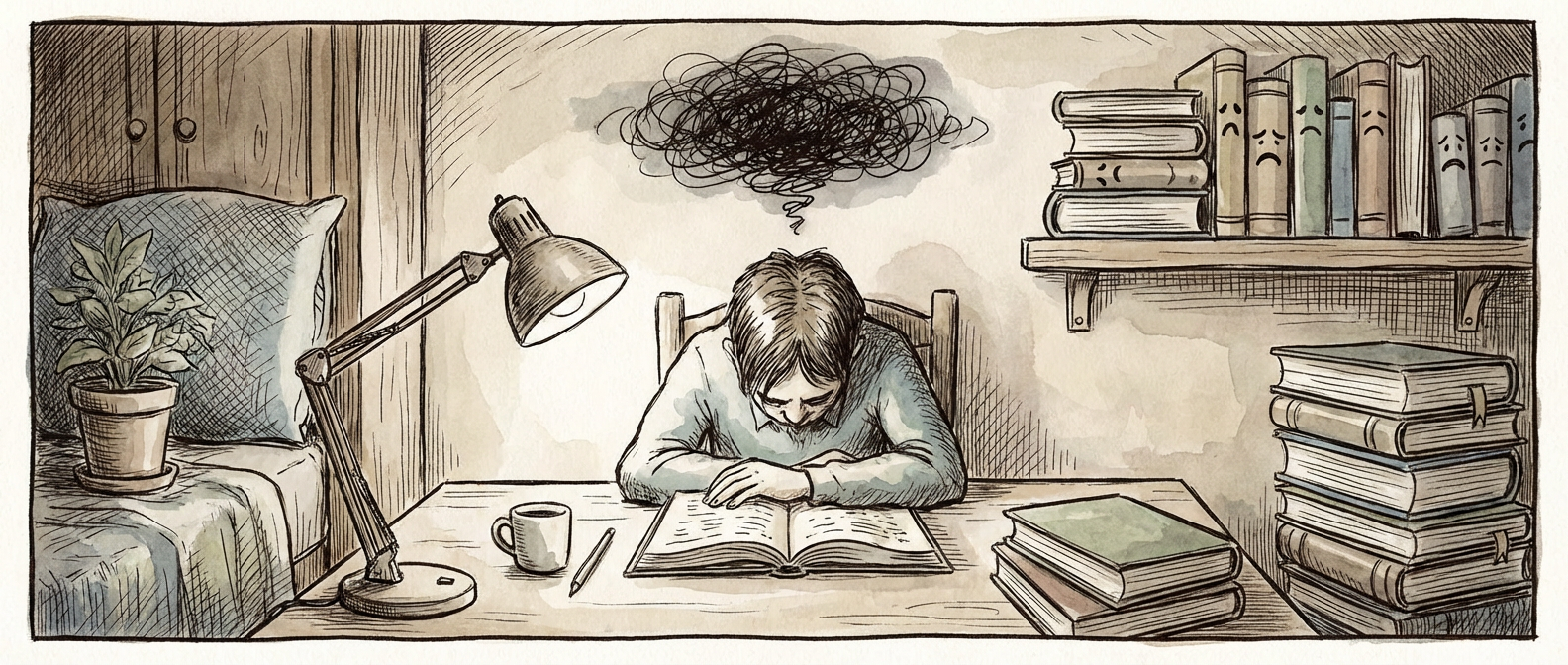
This wasn’t the gentle letdown of a book that simply didn’t click with my mood or the academic disappointment of recognizing technical flaws in otherwise solid work. This was the gut-punch realization that an author I’d trusted, whose voice had become part of my internal landscape, had somehow lost their way. The prose felt hollow where it used to sing. Characters moved through motions where they once breathed with life. The themes that had once felt urgent and necessary now seemed forced, even performative.
We don’t talk enough about this particular flavor of literary heartbreak. When strangers disappoint us with bad books, we shrug and move on. When beloved authors disappoint us, we question everything: our taste, our loyalty, even our capacity to recognize good writing. It feels personal because, in many ways, it is.

The Weight of Literary Expectations
Reader-response theory tells us that meaning emerges from the relationship between text and reader, that we bring our whole selves to every book we encounter. When we fall in love with an author’s work, we’re not just appreciating their craft. We’re forming a relationship with their particular way of seeing and interpreting the world. We learn their rhythms, anticipate their moves, trust their judgment about what matters and how stories should unfold.
This trust creates a vulnerability I hadn’t expected. Unlike our relationships with directors or musicians, where we might appreciate individual works without feeling personally invested in their entire catalog, literary relationships often feel more intimate. Books require time and solitude. We invite authors into our most private spaces, carrying their words with us long after we’ve closed the covers. When Louise Erdrich writes about family and land, when Toni Morrison examines the weight of history, when Elena Ferrante dissects female friendship, we don’t just read their ideas. We inhabit them.
The disappointment that follows isn’t just aesthetic disagreement. It’s the jarring recognition that someone whose mind we thought we knew, whose artistic vision had become a kind of compass, might be fallible in ways we hadn’t considered. It forces us to confront the difference between the author we imagined and the author who actually exists, between the relationship we thought we had with their work and the one that actually developed.
When Craft Meets Commerce
Publishing is a business, and authors are human beings trying to make a living. These obvious facts become complicated when they collide with our expectations for artistic integrity. The author who wrote that perfect, devastating debut novel is now under contract pressure to produce books on schedule. The writer whose early work felt raw and necessary might now be conscious of critical reception, market expectations, and their own literary reputation in ways that inevitably shape their creative process.
I think about this when I read authors who seem to be chasing their own earlier success. They repeat elements that worked before without understanding why they worked. Or I encounter work that feels designed to meet external expectations rather than emerging from internal necessity. There’s often a subtle shift in the relationship between author and material, a self-consciousness that wasn’t present in their earlier, more urgent work.
This doesn’t make the disappointment less valid, but it does complicate our response to it. The question becomes whether we’re disappointed in the author’s artistic choices or frustrated with the systems that might have influenced those choices. Sometimes the problem isn’t that the author has changed, but that the context in which they’re working has shifted in ways that don’t serve their particular gifts.
Understanding these pressures doesn’t excuse weak work, but it can help us process our disappointment more generously. The author who let us down might not have lost their talent. They might simply be navigating constraints we can’t fully see or understand.
Recalibrating Our Literary Relationships
The most difficult part of author disappointment is deciding what to do with the work that originally made us fall in love. Does a weak later novel diminish the power of an earlier masterpiece? Can we separate our appreciation for past work from our frustration with current offerings? These questions don’t have clean answers, but they’re worth sitting with.
I’ve learned to think of author relationships as evolving rather than fixed. The writer who spoke to me perfectly at twenty-five might not have anything urgent to say to me at forty, and that’s not necessarily anyone’s fault. Our reading needs change as we change. Sometimes what feels like author disappointment is actually the natural end of a particular literary relationship.
Other times, I wonder if my expectations have become too rigid. Authors aren’t obligated to repeat themselves or to continue serving the version of ourselves that first connected with their work. The most interesting writers often risk disappointing their existing audience to explore new territory, and sometimes that exploration doesn’t immediately pay off in ways we can recognize.
I’m trying to hold both truths simultaneously: that it’s okay to feel disappointed when beloved authors let us down, and that disappointment doesn’t necessarily reflect poorly on either the author or our own judgment. Sometimes books just don’t work, even when they come from writers whose other books changed our lives. Sometimes the magic isn’t reproducible. Sometimes that’s exactly as it should be.
Finding Grace in Literary Disappointment
What I keep coming back to is gratitude for the books that did work, the ones that found us exactly when we needed them and gave us something we couldn’t have imagined needing. Those books exist independently of whatever their authors write next. The relationship we formed with those particular texts remains intact even if our relationship with the author’s ongoing work shifts or ends.
There’s also something valuable in the disappointment itself. It clarifies what we’re actually looking for in literature, helps us articulate what moves us and why. When a beloved author’s new work falls flat, we often discover aspects of their earlier writing that we hadn’t consciously appreciated. The disappointment becomes a form of literary education, teaching us about our own taste and the specific elements that make fiction come alive for us.
Maybe the goal isn’t to avoid disappointment but to get better at processing it without cynicism. To remain open to being surprised and moved while accepting that not every book from every author will reach us where we live. To trust that the literary landscape is vast enough to hold both our disappointments and our discoveries, sometimes delivered by the same hands.
I’m curious about your experiences with author disappointment. Have you had a beloved writer let you down in ways that changed how you think about their entire body of work? How do you balance loyalty to authors who’ve moved you with honesty about work that doesn’t? And what have those disappointments taught you about your own evolution as a reader?