The Polyglot Future of Speculative Fiction
Science fiction has always been about change, and right now that change is happening in translation. English-language readers have controlled the conversation about speculative futures for decades, but translated works from China, Eastern Europe, and beyond are changing what we think tomorrow might look like. This isn’t just about selling more books. It’s forcing us to confront the cultural blind spots in how we imagine the future.
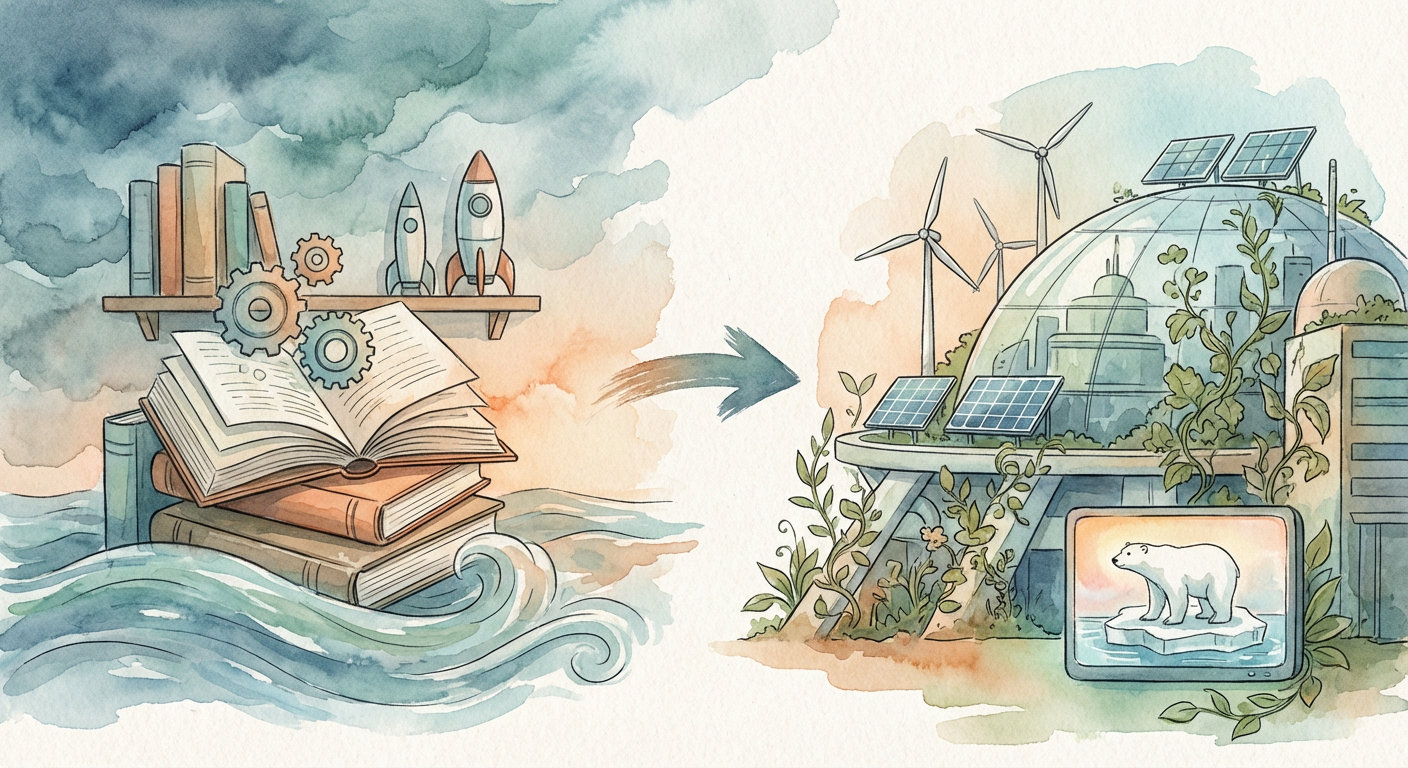
Science fiction already works as a kind of cultural translation, converting today’s fears into tomorrow’s stories. When Liu Cixin’s “Three-Body Problem” arrived in English through Ken Liu’s translation, it wasn’t just another space opera. It brought Western readers a distinctly Chinese take on cosmic horror, where historical trauma and technological hope mixed in ways that felt both strange and familiar.
This border-crossing has become especially important as climate fiction defines the 2020s. Environmental disaster might speak a universal language, but cultural responses to planetary crisis vary wildly across borders. Eastern European authors, writing from regions that have lived through both ecological devastation and political upheaval, bring an urgency to these stories that English-only climate fiction often misses.
The Hierarchies of Literary Prestige
The current speculative fiction landscape reveals some interesting tensions between artistic ambition and readability. Ted Chiang’s precise short stories and N.K. Jemisin’s sprawling fantasy epics represent two different paths to critical acclaim. The philosophical rigor of one, the world-building boldness of the other. Both writers have pulled off something tricky: they’ve elevated genre fiction to literary art without losing the core pleasures that make people love sci-fi and fantasy.
But this elevation often happens through another kind of translation, converting genre conventions into literary respectability. Chiang’s work shows how speculative fiction can tackle philosophical questions that rival any contemporary literary novel. His stories work like thought experiments dressed up as narratives, each one a precision instrument designed to explore consciousness, time, or meaning.
The translation challenge gets even trickier when you consider how these prestigious voices interact with movements like solarpunk. This optimistic response to cyberpunk’s dystopian dominance has found a home in indie publishing, where small presses can experiment with hopeful future-building. Solarpunk’s focus on sustainable technology and social cooperation needs a different kind of literary translation, one that makes hope feel as gripping as despair.
Consciousness Across Language Barriers
Maybe no theme in contemporary science fiction is harder to translate than artificial intelligence and machine consciousness. The endless exploration of AI rights and awareness creates unique translation problems because consciousness itself resists easy capture in words. How do you translate the experience of a mind that thinks in math instead of language? How do different languages shape what we think awareness even means?
These questions get particularly thorny with translated works that approach AI from non-Western philosophical traditions. Chinese science fiction often draws on Daoist concepts of consciousness that don’t fit neatly with Western ideas about individual identity. Translators must navigate linguistic differences and fundamental philosophical disagreements about the nature of mind itself.
Publications like Tor.com SF culture have started featuring more translated stories that wrestle with these questions, creating space for non-English perspectives on machine consciousness. The result is a richer understanding of what artificial awareness might look like, one that draws on multiple cultural traditions instead of relying only on Anglo-American assumptions about consciousness and identity.
Market Shifts and Reader Evolution
The publishing world reflects these linguistic and cultural shifts in interesting ways. Hard science fiction keeps its core readership, but character-driven speculative fiction continues growing, pulling in readers who might have avoided genre fiction before. This expansion creates new opportunities for translated works, especially those that prioritize character development and emotional weight over technical speculation.
Magazines like Strange Horizons speculative fiction have embraced this trend by actively seeking translated stories and non-English perspectives. Their editorial choices reflect a growing recognition that the future belongs to everyone, not just English speakers. The magazine’s commitment to diverse voices in translation helps reshape what readers expect from speculative fiction and whom it can speak to.
The climate fiction boom has pushed this trend forward because environmental crisis demands global perspectives. Readers trying to understand our planetary future increasingly recognize that solutions will come from multiple cultural and linguistic traditions. Translation becomes more than a publishing strategy. It becomes necessary for anyone serious about engaging with our shared environmental challenges.
The Art of Cultural Bridge-Building
Translation in speculative fiction works as more than linguistic conversion. It’s cultural archaeology, digging up assumptions about technology, society, and human nature that stay invisible within single-language traditions. The translator becomes a kind of time traveler, carrying ideas across linguistic boundaries and cultural ones too.
The best science fiction translations achieve something close to literary magic, transforming concepts that might be untranslatable in regular fiction into compelling story elements. Think about how terms like “qi” or “ubuntu” carry philosophical weight that pure English equivalents can’t match. Skilled translators find ways to preserve this cultural specificity while making stories accessible to new audiences.
This bridge-building becomes especially important as speculative fiction tackles questions of global scope. Climate change, artificial intelligence, space exploration. These challenges cross national boundaries and require perspectives that no single linguistic tradition can provide. The future of science fiction increasingly depends on translation as a primary creative act, not an afterthought.
As readers and writers, we’re living through a unique moment where the tools of speculative fiction (imagination, extrapolation, world-building) align perfectly with the challenges of cross-cultural translation. The question isn’t whether translated science fiction will keep growing in influence. It’s how quickly we can adapt our reading habits to embrace the linguistic diversity that our speculative futures demand.